




What are the safety precautions when handling Immersion Silver PCB?
Nov 25, 2026
Leave a message
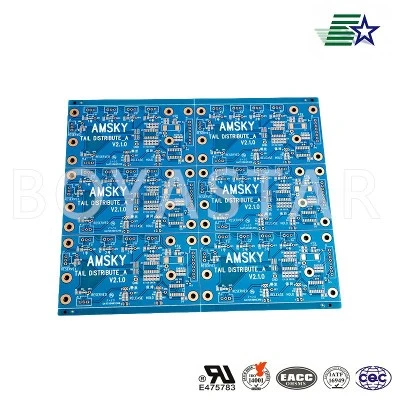
If you’ve ever worked with PCBs, you know surface finishes are make-or-break—they protect copper traces, enable soldering, and keep electronics working reliably. As someone who’s spent years as an Immersion Silver PCB supplier, I’ve seen firsthand how this finish delivers a ton of benefits: it’s flat, has great solderability, and works for all sorts of electronics, from phones to automotive parts. But here’s the thing: Immersion Silver isn’t totally foolproof, and cutting corners on safety when handling it can lead to headaches, or worse. Today, I’m breaking down the real, actionable safety precautions we swear by at our shop, no stuffy industry jargon to muddle things up.
First, let’s get one thing straight: Immersion Silver is a thin layer of silver applied to copper PCBs, right? It reacts with the copper surface chemically to form a dense, even finish, unlike some other finishes that might have inconsistent thickness. That reaction is why it’s so great for soldering, but it also means there are chemicals involved in the process and potential hazards when you’re handling the finished boards or the raw chemistry. A lot of people mix up Immersion Silver with other finishes, though. If you’re looking for something super simple for short storage times, for example, OSP PCB is a solid pick—it’s easy to handle but only lasts a few months before you need to solder. For more extreme environments, ENEPIG PCB or lead-free HASL PCB might be better, but none of those have the same ultra-flat profile as Immersion Silver. The key here is that even though it’s popular, its properties mean we have to be careful throughout every step.
Let’s start with the first big hazard: the chemicals used during the Immersion Silver plating process. This isn’t something you want to mess with. The solutions we use at our facility include things like silver salts, complexing agents, and sometimes mild acids, but there are also byproducts we have to watch out for. The fumes from these chemicals can irritate your eyes, nose, and throat if you’re in a poorly ventilated area. Early on, when I was still learning the ropes here, I skipped adding an extra ventilation fan to a small work area, and by the end of the day, I had a constant cough for a week. Trust me, that’s not a story you want to repeat. So rule number one: always work in a fume hood or a space with enough exhaust to keep air flow moving away from your face. We also require everyone on the plating floor to wear chemical goggles, nitrile gloves (not latex—those don’t hold up to the solutions), and lab coats or chemical-resistant aprons. Silver salts can also stain your skin temporarily, but the bigger risk is skin irritation from prolonged contact. If you do get any of the solution on your skin, rinse it off with cold water immediately for at least 15 minutes—don’t rub it, that just spreads it. And if it gets in your eyes, use the emergency eyewash station for the same amount of time and get medical help right away.
Next up, handling the finished Immersion Silver PCB correctly. Once the boards come out of the plating line, they look shiny and almost like mirror finish, but that thin silver layer is actually pretty fragile. We tell our clients this all the time, but it’s worth repeating here: don’t touch the board surface with bare hands. The oils and dirt on your skin will leave smudges that ruin the surface, worse, those oils can react with the silver over time, causing tarnish that makes soldering impossible. I’ve had a client send back a batch of boards because their team touched every single pad, and by the time they got to soldering, half the pads wouldn’t take solder. We had to re-plate the whole thing, which cost them time and us money—lesson learned. So when you’re moving finished Immersion Silver boards, use clean plastic tweezers, not metal ones that could scratch the silver. And always hold them by the edges, not the surface. If you have to stack them, put a thin, clean plastic separator between each one—no paper or cardboard, because those have fibers that can scratch or leave residue.
Tarnish is another big issue, and it’s tied to safety too, in a way. Wait, how? Because the tarnish that forms on Immersion Silver is silver sulfide, right? It’s not toxic in small amounts, but if you’re dealing with a lot of waste or old boards, you don’t want it getting into your work area. Wait, actually, the bigger safety note here is about storage. Finished Immersion Silver boards need to be stored in a dry, cool place, away from humidity and direct sunlight. Humidity can speed up tarnishing, and direct sunlight can make the finish fade or develop discolored patches. A lot of people store their PCBs in open bins, but we recommend using sealed anti-static bags—anti-static is important too, because static electricity can damage sensitive components on the board, but also, the sealed bag keeps moisture out. If you’re storing boards for more than a few weeks, add a small desiccant packet to the bag to absorb any leftover moisture. And don’t store Immersion Silver boards near any other chemicals, like cleaning supplies or even certain types of plastics—some plastics release gases that can react with silver and cause tarnish. If you compare that to something like HASL PCB, which has a thicker solder layer and is more forgiving, Immersion Silver is way more sensitive to its environment, so storage safety is non-negotiable.
Another thing we emphasize with all our clients: proper soldering safety when working with Immersion Silver PCBs. The silver finish has a high melting point, so you don’t need to crank your soldering iron to super high temperatures, right? Wait, actually, too high can damage the copper under the silver layer, but also, the fumes from soldering Immersion Silver boards—lead-free solder is common now, and combining that with the silver finish can create fumes that are more irritating if you’re not ventilated. We always tell people to use a fume extractor while soldering, even if they’re just doing small batches. I’ve seen guys skip the extractor for quick jobs, and after an hour or two, they get a headache. It’s not worth it. Also, don’t use any flux that’s not designed for silver finishes. Some old-style fluxes might leave residue that’s hard to clean, or even react with the silver over time, causing corrosion. We recommend no-clean fluxes that are compatible with Immersion Silver, but if you need to clean the board after soldering, use isopropyl alcohol (at least 90% purity) and a soft brush—don’t use harsh chemicals that could strip the silver layer.
Waste disposal is another safety area that a lot of people overlook. The used plating solutions from Immersion Silver PCB processing have heavy metals, specifically silver, which are toxic if they get into the environment. You can’t just pour that down the drain. At our facility, we work with a licensed waste disposal company that specializes in heavy metal-containing chemicals. We also collect any off-cuts from Immersion Silver boards—they have small amounts of silver on them, so we recycle those off-cuts to recover the silver, which is better for the planet and safer than throwing them in the trash. For our clients who process boards in-house, we always remind them to check local regulations for disposing of electronic waste and chemical waste. If you’re unsure, reach out to a local environmental agency—they can tell you the right way to handle it. It’s not just about safety for your team, it’s about not hurting the environment too.
Wait, let’s touch on something that’s come up a lot lately: common misconceptions about Immersion Silver vs. other finishes. A lot of people ask us why we don’t just use a different surface finish, like OSP PCB for low-volume jobs, or ENEPIG PCB for higher reliability, or lead-free HASL PCB for bigger boards. And yeah, those are all great options for certain use cases, but Immersion Silver has unique benefits that make it the go-to for many projects. But that doesn’t mean it’s without its safety quirks. For example, OSP is super low-risk because it uses organic coatings, no heavy metals, so handling it is pretty straightforward—no special chemical gear needed. But OSP only lasts a couple months before it starts to degrade, so if you’re not going to solder right away, Immersion Silver is better. ENEPIG is more expensive, but it works for high-temperature applications, so if your board is going into an engine bay or something, that’s the way to go. HASL PCB has a thick solder layer, so it’s great for through-hole components, but it’s not flat enough for fine-pitch surface-mount parts. So Immersion Silver is in a sweet spot, but that thin silver layer means you have to be more careful when handling it, which ties back to all the safety tips we’ve talked about.
Let’s also talk about emergency preparedness, just in case something goes wrong. Even if you follow all the rules, accidents happen. Make sure your work area has an emergency eyewash station and a safety shower if you’re working with large amounts of plating chemicals. Keep a first-aid kit nearby that has sterile gauze, antiseptic, and eye pads. Everyone on the team (or in your work area) should know where these things are, and how to use them. We do monthly safety drills at our shop, just to make sure no one panics if there’s a spill or a chemical splash. For example, if there’s a small spill of Immersion Silver solution on the floor, we use an absorbent pad made for chemical spills, not paper towels—paper towels can soak through and spread the chemical. We also label all chemical containers clearly, so no one grabs the wrong one. That’s a big one too: never use an unlabeled container. If you transfer a chemical to a different bottle, write down what it is, the date, and any hazards on the label. I’ve seen someone grab a bottle of silver complexing agent thinking it was water, and that would have been a disaster if they’d poured it on themselves.
One last thing, and this is something we stress with every new client: training. If you’re new to handling Immersion Silver PCBs, don’t just jump in. Take the time to learn the specific hazards from a reliable source, whether that’s us (we offer free basic safety guides for anyone working with our Immersion Silver boards) or a certified industrial safety course. We also have a team member who’s dedicated to checking in with clients to make sure they’re following the safety guidelines, because we don’t want anyone getting hurt because they didn’t know better. At the end of the day, we’re not just a supplier—we’re here to support our customers, and that means making sure they handle our products safely.
If you’re working on a project that calls for Immersion Silver PCB, whether you’re a hobbyist working on a small prototype or a manufacturer building a commercial product, make sure you’re following all these precautions. From wearing the right PPE to storing boards correctly to disposing of waste properly, every step matters. And if you have questions about Immersion Silver, or want to learn more about how it compares to other finishes like OSP PCB, ENEPIG PCB, HASL PCB, or lead-free HASL PCB, feel free to reach out to our team to discuss your project needs. We’re here to help.
References
- IPC-4552, “Performance Specification for Immersion Silver Plating for Printed Boards and Other Interconnections”, Association Connecting Electronics Industries, 2020.
- Occupational Safety and Health Administration (OSHA), “Chemical Safety and Health Standards for General Industry”, 29 CFR Part 1910, 2023.
- “Surface Finish Selection Guide”, Printed Circuit Board Design and Manufacturing Association (PCBDMA), 2022.
- Environmental Protection Agency (EPA), “Regulations for Heavy Metal Waste Disposal from Electronic Manufacturing Processes”, 40 CFR Part 261, 2021.
Send Inquiry